Tales My Father Told Me

A Collaborative writing project to tell the life story of Jochen, a German Immigrant and American Citizen born in the Free City-State of Danzig in 1937.

  • The Last Train

    If you have ever met my father, chances are you have probably heard at least part of this story. I’ve probably heard it a thousand times, and it never stops drawing me in. Trying to imagine what happened that day. Rereading the story in my father’s book this morning, tears filled my eyes. It never get’s easier to read, it never gets easier to hear.

    This is the terror that is war.
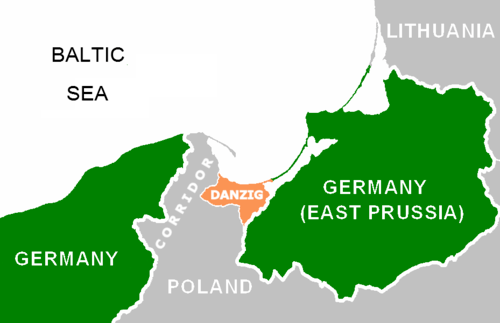
    “Hitler’s army was in retreat. More and more Refugees had flooded Danzig seeking passage across the Baltic Sea. Thousands attempted to cross the icy waters seeking safety, only to either drown or be torpedoed by Russian submarines. By land the Russians were pushing the German front closer and closer. The sound of distant gunfire, soon became louder and more regular.

    Hitler had declared that Danzig would be a fortress defended to the death. Despite Nazi propaganda that attempted to convince the German public they were still winning, Mutti had decided that it was no longer safe for our family to stay in the city, and she worried to find a safe way for us to leave.

    One night, we were awoken by the sound of Mutti’s voice, “Get Up! Get Dressed, we have to leave in 10 minutes!” Startled we awoke and Mutti instructed us to put on layer after layer of clothing. Two pants, double sweaters, layers of socks, a thick jacket. I could hardly more. What is going on?

    Hurriedly, she shoved things into our rucksacks. Canned goods, socks, water, a roast that had interestingly enough showed up after my pet rabbit had gone missing. My backpack had also been stuffed with the few pieces of silver that remained not buried in the back yard. Fearing anything she carried may have a greater chance of being stolen or taken by the Nazi Army or others, she had entrusted our valuables on the back of her youngest child.

    It was heavy and uncomfortable. We wished we didn’t have to carry the packs, but Mutti insisted. Within a few minutes, Mutti rushed us out into the streets and towards the train station. She had been given top secret information from her connections in the military that there was a special train authorized to leave the city for military families, and there would be a compartment for SS Officers wives and children.

    This was to be our escape as the Russian fighting was sure to soon reach within the city limits. It was pitch black, and 8 or 10 inches of snow was freshly fallen on the ground. I started to complain that I was freezing and tired, but brother Gottfried poked at me and reminded me to be tough and strong to make Vati proud.

    The alley on our way to the train station was lined with the abandoned wagons of yesterday’s refugees. In the darkness, my feet tripped on something big and bulky under the snow. Was that a person frozen? Is that what that was? Before I had time to process what I had just seen, brother Gottfried pulled my hand and told me to hurry up, half dragging me a long the way. I pulled it together and quickened my pace, I wouldn’t want to disappoint Vati.

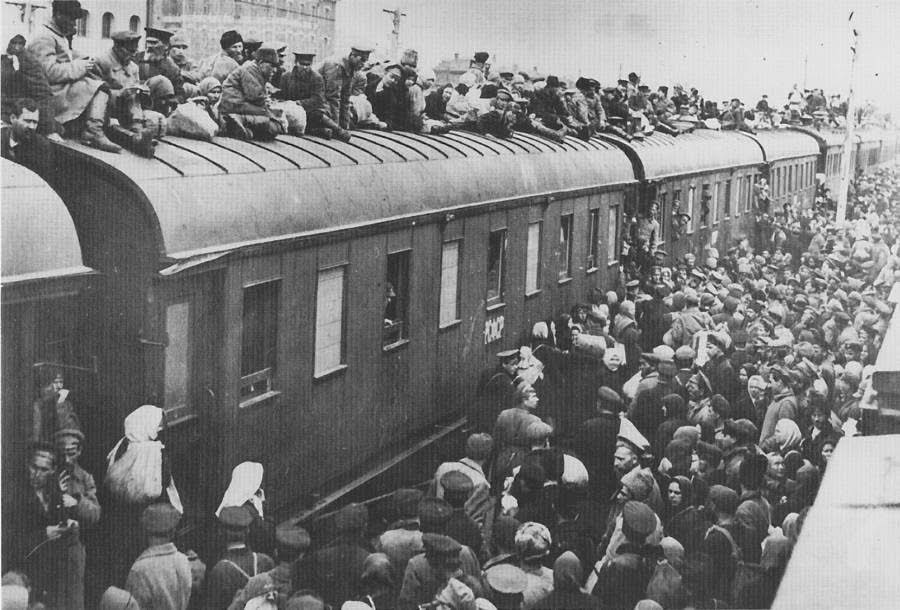
    As we arrived at the train station we were in total disbelief of what we were seeing. A sea of people flooded the platforms, thousands jammed as far as the eye could see. Mutti pushed us off of the sidewalk and along the train tracks, hoping to move more quickly through the crowd. I stumbled and fell trying to traverse the uneven tracks below me, scraping my knee but tried not to cry. I remembered Gottfried’s earlier warning about how I needed to be tough.

    Sucking up my tears, we moved closer. A train could be heard in the distance, and strangers from the crowd reached out their hands to lift us out of the way of the incoming train as it arrived. There were so many people. I wondered how many trains it would take to fit everyone.

    All of a sudden a whistle blew and a large steam locomotive started pushing some express railroad cars backwards into the station. The crowd surged forward. People were pushing and shoving, rushing towards the doors. The only thing keeping my brother and I from being pushed back down into the tracks was a cast iron lantern near the tracks.

    Mutti screamed at us to hang on and not let go. Gottfried and I ducked down under all the people and hung on with all of our might. As the train slowed to a stop, we saw that the compartments already looked full and the doorways were nowhere near us. As we watched and felt the people pushing towards the doors, it began to set in that there was no chance we were going to get on.

    Suddenly, in the midst of all of the madness around me I felt my Mutti’s strong arm around me. She grabbed me, and hoisted me up towards the window of the train car. From here, a bandaged soldier grabbed me and pushed me up further into the overhead luggage compartment in the train car. A few moments after, my brother was pushed through the same window and placed on a small table attached to the wall below.

    Now people were coming in through the door, filing in beneath and around us until there was not even the tiniest space in the train car left to move. I started to scream for Gottfried, and he reached up his hand to grab mine, as if to say it’s going to be ok. “Mutti! Mutti! Mutti!,” I screamed and cried. Where was Mutti?

    The stench of urine and sweat filled the air around me. My brother and I looked over and over the people jammed into the compartment with us looking for our mother, but she was nowhere to be found. Our cries to her went unanswered. We tried asking the other passengers over and over had they seen our Muttti. “Where was Mutti? Mutti!”, I cried over and over as I searched the crowd below me. The whistle blew and soon our repeated cries out for our mother were being drowned out by the rhythmic chug of the wheels turning as the train pulled farther and farther away from the station and those who had been left behind, some still desperately clinging to the windows and doors as it pulled away.

    Mutti was nowhere to be found.

    This was the first time I learned that fear had a smell.” – Jochen
    Even as I sit here, retelling the story I’ve heard a million times, my eyes still swell with tears. I try to imagine my Uncle and Father being shoved through that window. Imagining the choice that my Omi had to make in that moment. Stay with her children and risk them being left in Danzig by the train or shove them through a train window in the hopes that by doing so, at least they would survive and get out before all was lost in Danzig.

    Can you imagine? The love it takes, the strength it takes, to make a decision like that.

    Can you imagine the fear my father felt? His mother gone. Him not knowing where they were going or why they were going. Not knowing if he would ever see his Mutti again. Pushed into a luggage compartment over a sea of strangers, with only his brother’s hand to give him comfort at that time.

    It’s heartbreaking. It’s cruel. It’s wrong that he and his brother, or anyone else on this planet for that matter should have to experience something like that. When the war in Ukraine began a few years ago, there was a black and white picture that circulated social media of a train station jammed packed with thousands of people trying to escape the Russian attacks. The caption, “History is Repeating Itself”, went along with it.
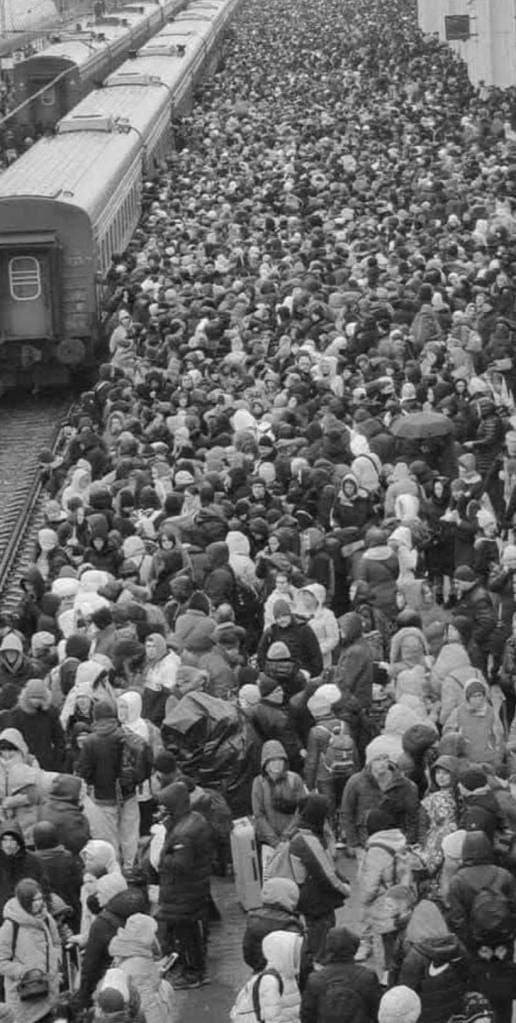
    This picture was fact checked, and it was indeed a picture of the people of Ukraine fleeing the war with the Russians, just changed to black and white.

    When my father saw this picture, it broke him. It brought back every single moment of that harrowing ordeal that he and his brother went through that day. He knows more than anyone what it feels to be in that crowd, to be one of those people. Just wishing and praying you escape the war and find a way to survive.

    I’m proud to say, that the photo became a call to action for him. He has since used that photo along with his story in order to fund raise for Ukrainian Refugees raising over $6,000 through his church and a local community group. Selling Schnitzel dinners to fund raise for Refugees, making the meals himself at 87 years old.

    No one should have to go through such a traumatizing experience as having to flee your home due to war. Sadly, today, refugees are sometimes depicted as being a drain on society. People who have never experienced the horrors of war first hand make snide remarks and judgement calls about mothers trying to do anything it takes to keep their children safe.

    I think the most important thing this story does, is it puts a face to the refugee. It tells a first hand account of what one might experience fleeing from war. And if you know my father, it also shows that the “poor refugee” can go on to become an incredible person. A valuable member of society. A person with so much to give, that wherever he landed would one day be blessed with his having been there.

    Refugees are people. Real, living, breathing, loving, hard working people. They deserve love, and kindness and empathy. They deserve compassion. The stories they tell could break even the strongest heart.

    If his story touched you, and you are interested in donating to refugee families in need, I have created a fundraising campaign for this in his honor. It doesn’t need to be much, even enough for a “Shnitzel Dinner” would be fine. Children don’t deserve to experience what he has, so every penny raised will be a blessing as families try to rebuild and recover.

    https://unrefugees-ukraine.funraise.org/fundraiser/jochen’s-refugee-relief-campaign
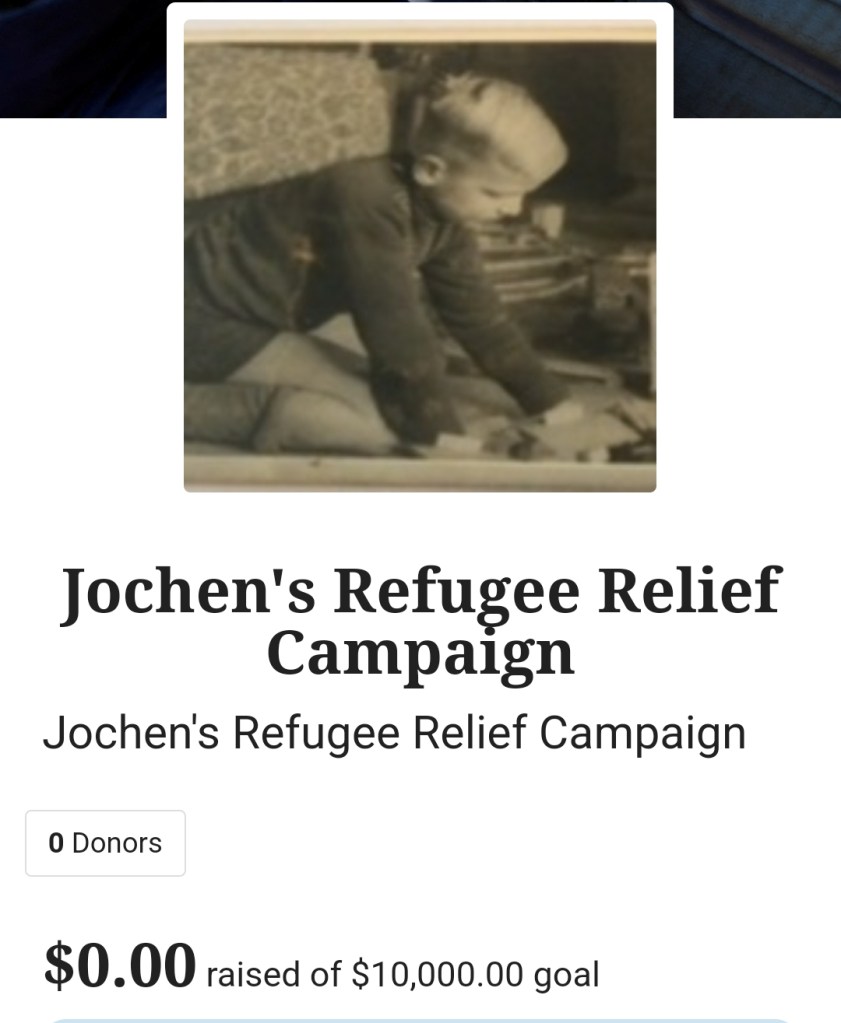
    He doesn’t know I’m doing this. Or at least he won’t know until he reads this. But I figure this is one of times where I figured it was better to ask for forgiveness rather than ask for permission.

    Please read, share, and subscribe to hear more of his incredible life stories. And if you donated a “Shnitzel Dinner” please let us know so we can thank you. Love, Verina
  • Buried Treasure

    The location was the city of Danzig. My father was 7 years old. The Russian Army is now a threat to their home town.

    “It was 1944 and the war was going badly for the German Army in Russia. Mutti stayed in close contact with all her friends that had connections to the German military. We boys were no longer allowed to go anywhere near the railroad to watch the trains full of wounded soldiers on their way to hospitals in central Germany.

    Many nights we were made to get up from our sleep and run across the street to a neighbors basement shelter to sit on benches while bombs fell near the close by shipyard. This was extremely scary at first when the bombs exploded but after a while we all got used to it.

    In the mornings after, we could not wait to go and search for big pieces of shrapnel left by the exploding bombs. These sharp edged pieces of metal looked interesting and we made it into a contest of who could find the largest.

    But now the grass on the main entrance road to our city of Danzig was covered in snow and lots of refugees from the surrounding farmland had made this their place to stay while waiting for permission to board ships so they could escape the Russians.

    Mutti was getting more and more fearful in advance of our escape. She knew we would have to leave soon and with the help of her sister our Tante (Aunt) Erika we started packing.

    We had a lot of Vati’s trophies and a large amount of real silver ware, which we would not be able to take. What would we do with it all? In the back of our house was a garden and on the end it had a rabbit hatch. I fed my rabbit every day and the droppings from the rabbit kept the ground below from freezing. So this place was chosen to be the perfect place to bury and hide all of our silver. We hoped to one day come back and retrieve it. We dug a large hole, placed all of our cherished silver in the bottom, and used the dirt to disguise the treasure!

    I was told I would have to give up my rabbit because when we had to leave we could not take him with us. This made me sad.” – Jochen

    When he would tell me of these times, I’ve always admired their courage in the unknowns of war. Trying to imagine my father and his brother and mom rushing into a neighboring basement to wait out the bombs that fell while the city was dark, is overwhelming. They were 7 and 9, and shrapnel became their toys. It is a stunning example of the things one does in order to cope when disaster is around, turning bombs into fascinating “treasures” to find around the city. I experienced a tiny taste of this when I was living in the Pacific Island of Yap, Micronesia when one of the villagers took me on a hike to find WWII relics still hidden in their jungles. Somewhat rusty bomb remnants coming out the jungle ground. To them it was a neat thing to find, instead of an instrument of war. Of course this was 70 years later, not the next day. My Dad and Uncle Gottfried were certainly brave little adventurers.

    Talking about the nightly bombing, he said they learned to get used to it, but he left out one point. A habit that he picked up while they were hiding in that basement listening to the bombs fall. Another coping method, he would rock himself back and forth, over and over, to soothe his mind and body in order to fall asleep. To this day, this habit still comes back sometimes. Rocking himself to sleep, an awful memory, PTSD, of a scared little boy in the middle of war.

    But, let’s not focus too much on the sadness. We must discuss the biggest reveal of this story, the real hidden treasure! The buried silver trophies and silverware. Hidden in the backyard. And spoiler alert, they never went back and retrieved it. Did someone find it? Is it still hidden beneath the Earth as a symbol of this moment in time? A family fearful of losing their valuables to a war they didn’t seem to be winning.

    Maybe one day I should take a trip to Gadansk, Poland, and find where his home once was. Shall we go on a treasure hunt? Maybe one day he’ll give me the map, with a bright red X where they buried their family treasure.

    A girl can dream.

  • Vati

    “In my early days I had no idea of what was lying ahead. Everything became some kind of an adventure or problem to overcome.”

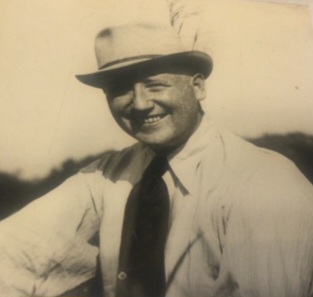
    I have never met my Grandfather. He died long before I was born. Yet, he’s someone that I’ve been hearing about all my life. A complicated puzzle piece in the history of our family. This is his story.

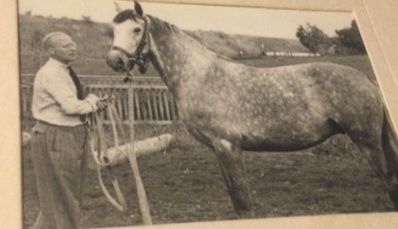
    “My father was a banker. In his free time he loved horses to the point that he even had hopes of becoming an Olympian Equestrian Rider for Germany. When he wasn’t working at the bank, he was training with his horses. Beautiful, Trakenhner/Arabian prize winning horses.

    This time was the beginning of major changes in my life. In the early days of Hitler, the German currency was devalued nearly overnight. Like Johnny on the Spot, Vati took all of the money in his bank and exchanged it into Danish Money. He saved his bank from catastrophe, and was instantly promoted with a large raise in his income. The big raise and promotion were overshadowed soon by a secret relationship that he had started with his secretary. Soon, his marriage to Mutti had dissolved.

    Vati wanted to keep his girlfriend and divorce my mother. Mutti right away agreed that the relationship was over and filed for separation. From that point on my life changed drastically. Now everything we boys, my brother Gottfried and I did with my Vati was something special to us. Instead of just a visit, we would end up going places like on a real sailing ship, now called Eagle. Vati’s military rank as captain in Hitlers S.S. gave him and us lots of privileges. And to us boys we loved every minute. Some days we would be as cadets, part of the crew on this great sailing ship.

    Every weekend was now an adventure. One weekend on a submarine, U-Boat. The next weekend on the largest farm in East Prussia. We learned about horses and farm life. Every weekend with Vati brought us joy, but this joy was short-lived.

    Vati was sent as a commander of German troops in the region of Budapest, Hungary. My father had no education in military matters, but in no time became part of the 70,000 German Army that fought against 2.5 million Russian Infantry.

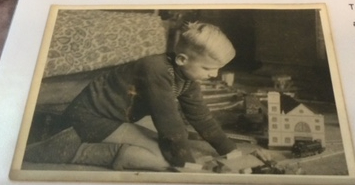
    Just before Christmas, in 1944, Vati had a week of free time. He bought us boys the biggest train set available and came to our house to assemble it all. We put together five separate rooms with different Rail Road tracks on our hands and knees. It is something I never forgot. My brother and I played until we fell asleep.

    That was the last time we ever saw our father.

    3 years later Gottfried and I went to the local train station now in Minden, Westfahlen when a train full of veterans was rolling thru. We inquired about Vati. We were told that most German SS troops that were not fallen in battle were made to lift their arms while the winning Russians looked for the Tattoo number under their arm. If the SS number was found, all were instantly executed.

    This is the end of my father.” – Jochen

    But it wasn’t the end of his father. His father has been living on through my dad’s stories for my entire life. And I’ve been trying to get to know my Grandfather through these stories for as long as I can remember.

    So, as you might guess, the fact that my Grandfather was an S.S. Officer, has always been a difficult thing for me to make peace with. From what I was told, the bank that Vati worked at employed Jews. Himmler’s men came to him and basically gave him an ultimatum, join the Nazi party to show your allegiance to the German cause, or else bad things will happen. So, that is what he did. He became a Nazi, because his bank employed Jews and that was not acceptable.

    Later in the war they began taking people’s horses, and as you heard he had prize Arabian horses that he didn’t want them to take, so he was given another choice. He could keep his horses, if he became an S.S. Officer and become part of the grand equestrians that would march in Hitlers military parades. He took the deal, and became an S.S. Officer.

    Learning about this brought out strange emotions as I grew up. Obviously we were taught of the horrible history of what Hitler and the Nazi party did in WWII, but as the black and white videos would play on the television showing the Nazis parading through the streets, I’d always wonder if one of the men on the horses was him, my grandfather. It’s a strange place to be. I still pay close attention to the parades if footage is ever played on the History channel or some World War 2 documentary wonder if he’s there.

    I’ve wondered often about the choice he had made, and what choice I would have made if I had been in that position. A father, with a wife, and two small children trying to take care of his family and keep them safe. I’ve often wished I could have just one phone call to ask why he really became a Nazi, did he regret it, did he believe what Hitler did, but somethings I guess are not meant to be known. Luckily for me, my Omi (grandmother) raised my father and uncle to be some of the most loving men, who did not believe the hateful things that we learned about in history class. I was taught to show love and kindness to everyone, and for that I am grateful.

    But Vati’s death impacted me growing up in other ways as well. Because of what they were told about the Nazi arm Tattoos being used to identify and execute German soldiers, my father was incredibly against tattoos. He begged me not to get them. He told me the story over and over about the tattoo that most likely got my grandfather killed. But I was a punk kid, who didn’t listen, and when I was 18 I got one anyway.

    I kept it hidden for as long as I could. But one day I leaned over and my shirt lifted up enough to see the ink on my back. He cried. The big strong German man I had as a father had tears streaming down his cheeks. I felt terrible. I hated that my tattoo had brought back a memory for him that he couldn’t forget. Of course the fairy on my back was nothing like the SS numbers on my Grandfather’s arm, but it didn’t matter in that moment. All he could think of was a father who went away one day and never came back, who never got to say goodbye. Thankfully, he slowly became more accepting of the tattoos that I loved, and I even got one especially for him later on. An anchor with a rope that goes around my little toe. He always said that my little toe was his, so the tattoo wraps around my little toe for him.

    Regardless of the fact that my Grandfather became a Nazi and SS Officer, he was still a beloved father to two little German boys who were far too young to understand the politics of the times. I can imagine my Uncle Gottfried and my Dad going on grand adventures with their father. But I can’t imagine what it must have been like for him to go away one day and just never come back. To wonder forever where he was. It must have been so hard growing up in a war torn country without their Vati. You’ll hear many more stories about what they went through in the war, but this was an important story to tell. A banker and equestrian turned SS Officer, killed in the Battle of Budapest. But more importantly, two little boys favorite person.

    This was Vati.

  • I don’t know what age I was when I began to truly understand the importance of the stories I was hearing. The loud booming German voice that could captivate an audience wherever we were. Oh, he had many stories to tell, and whenever he talked everyone listened closely, intrigued and amazed by the things they would hear. Everyone trying to imagine what it must have been like to experience the things he had in his life.

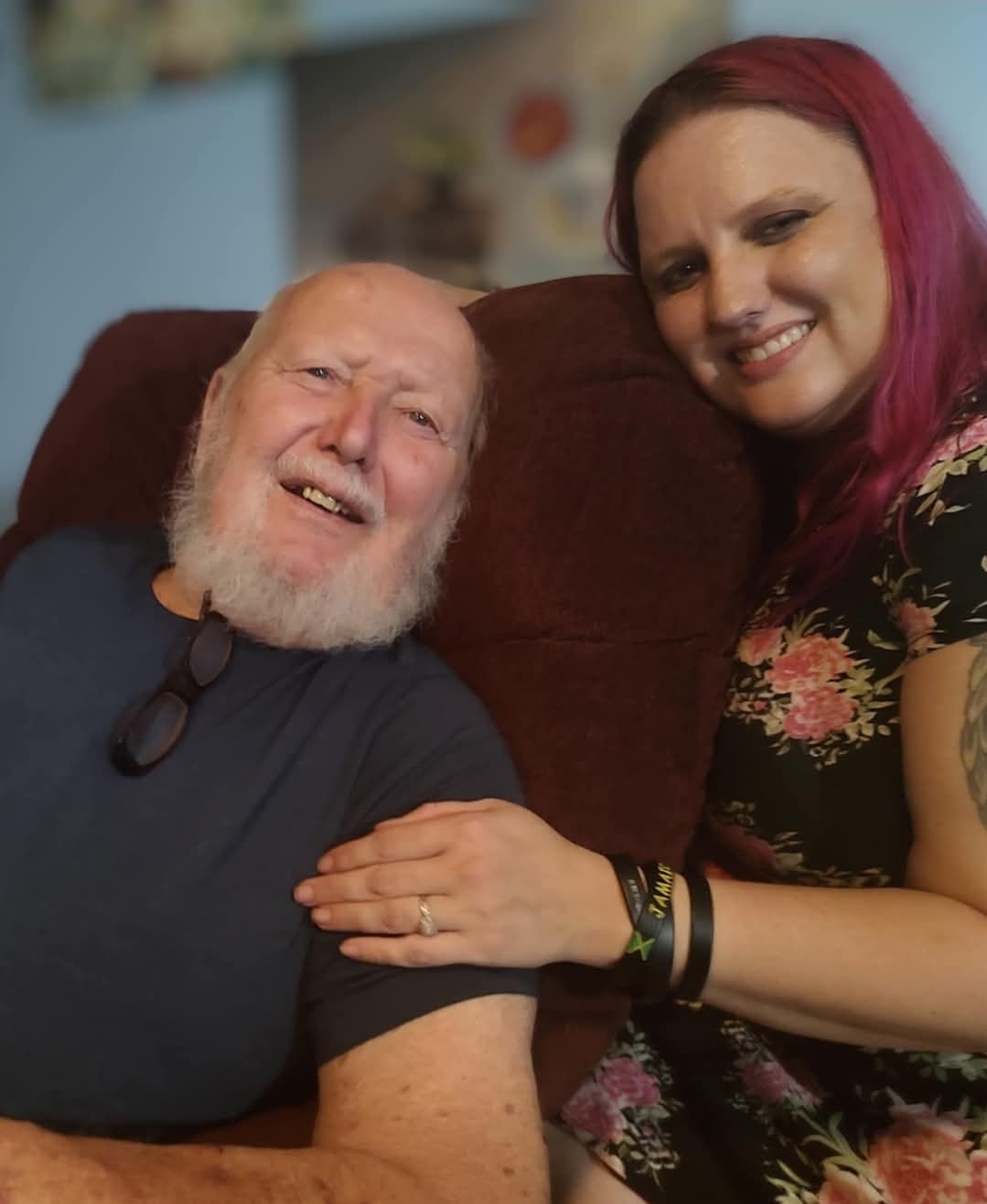
    The person who I speak of is my father. Jochen Earnst Heinrich Robiller. Born in Danzig, Germany, or at that time the Free City State of Danzig, in 1937. I was born in 1984. My mom was 42 when she had me, and my dad 47. By 1984, my dad had apparently experienced more things in his life than some folks experience in their whole lives. And as soon as I was old enough to remember, he told me about those things.

    My bedtime stories were very different than the ones my peers were hearing. He didn’t need to read me fairy tales, because the tales he had to tell were much more interesting than anything that could be found in a fictional book.

    Despite moving to the United States at the age of 18 and learning English along the way, some things are still a struggle to this day. Written English being one of them, and I can’t blame him. English has so many silly strange spelling rules to learn and understand. And although my father has such incredible stories to tell, some of the beauty of them can get lost when he tries to write them down.

    This is where I come in. I’ve spend my whole life hearing his stories. I have often been requested to edit his works of writing, and after a bit of contemplation, I came up with this solution. Instead of me just editing his writing, we would collaborate. From his writing, I will bring them to life on the page the way he brings them to life in person.

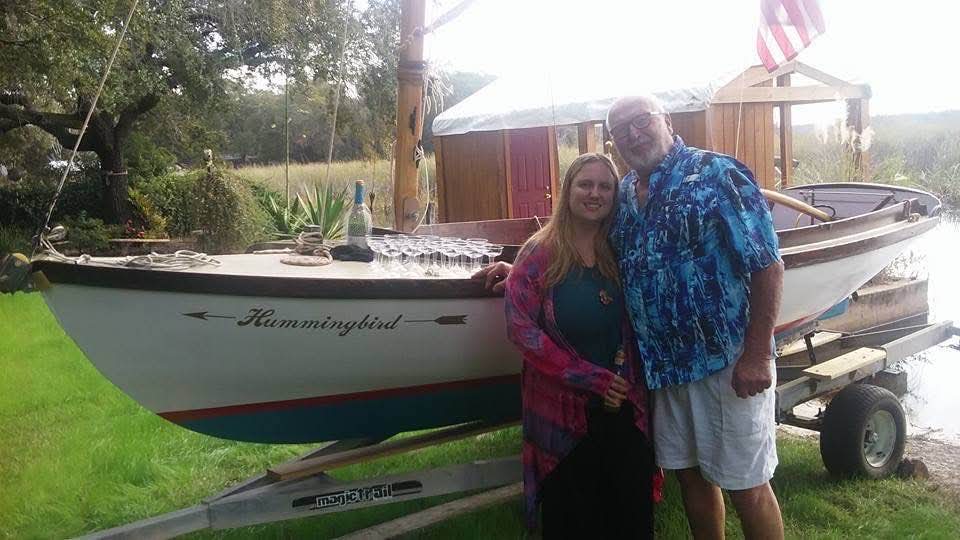
    My father has far too many experiences and stories to tell for the world not to hear. And with everything that is happening in the political climate today, I feel that some of his stories and experiences as a child in WWII Germany would bring incite and information that many could learn from. He’s been there and done that. He went from a child in Nazi Germany, to a young man coming to America with dreams of success as a Stone Mason, to a U.S. Marine, a Boat Builder, a Hang Gliding Instructor, a Restaurateur, a World Traveler, a Father, and so much more that I would surely miss if I attempted to write everything he’s done in a sentence. So I won’t, instead I will tell the tales. I will introduce you little by little to an incredible man and the stories he’s told, so they will be preserved for all to know. There is just too much that could be lost if you’ve never had the chance to hear them yourself.

    So welcome to our blog. Welcome to the Tales My Father Told Me. Please enjoy and let us know what you think. These stories will be told in no particular order at this time. Eventually, we may use this as a gathering place to make a book. We will see. One step at a time. We hope you enjoy!